
A Practical Tool Stack to Build and Ship Your SaaS Faster
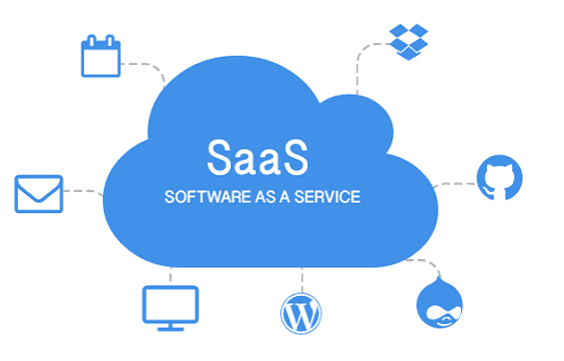
Building a SaaS today is not about using every new tool.
It is about choosing a simple and reliable stack that lets you move fast, stay focused, and scale when needed.
This blog walks through a modern and practical tool stack you can use to go from idea to production without overengineering.
Whether you are a solo founder, indie hacker, or early stage team, this setup covers the entire SaaS lifecycle.
Planning and Documentation
Every good product starts with clarity.
Before writing a single line of code, you need a place to think, write, and organize.
Notion works well for this purpose.
You can use it to write product requirements, maintain documentation, track tasks, and plan future features.
For visual thinking, Eraser is extremely useful.
It helps you create wireframes, architecture diagrams, and system designs without friction.
When your idea is clear on paper, implementation becomes much easier.
Development Environment
Your development setup should feel invisible.
VS Code is a great editor for most SaaS builders.
It is fast, extensible, and works well with almost every language and framework.
GitHub is where your code lives.
It handles version control, pull requests, issues, and continuous integration workflows.
Together, VS Code and GitHub form a solid foundation for daily development.
Databases and Data Storage
Most SaaS products need both structured and flexible data.
For relational data, Neon is a great choice.
It provides serverless PostgreSQL with easy scaling and minimal operational overhead.
For unstructured or flexible data, MongoDB fits well.
It is especially useful for logs, activity feeds, and evolving schemas.
Choosing the right database early saves a lot of refactoring later.
Authentication and Security
Authentication is one area where building everything yourself rarely pays off.
Using managed auth solutions like Auth.js, Clerk, or Supabase Auth can save weeks of work.
For API security, JWT and OAuth are still reliable standards.
On the infrastructure side, Cloudflare adds an extra layer of protection with DNS management, DDoS mitigation, and security rules.
Security is not optional for SaaS. It is foundational.
Payments and Billing
Monetization should be simple for both you and your users.
For founders in India, Razorpay works smoothly with local payment methods.
Dodo Payments is a good option for simple SaaS subscriptions.
For global reach, Stripe remains the most widely supported payment platform.
A good payment system reduces churn and support issues.
Analytics and Monitoring
You cannot improve what you do not measure.
Umami provides privacy friendly analytics without tracking users aggressively.
It tells you what matters without violating trust.
Sentry helps you catch errors before users complain.
It gives visibility into crashes and performance issues.
Uptime monitoring tools ensure your SaaS stays available even when you are asleep.
Design and Product Experience
A clean user experience builds trust instantly.
Figma is excellent for designing interfaces and user flows.
Tailwind CSS helps you move fast without writing repetitive styles.
Shots allows you to create polished screenshots for landing pages and marketing.
Good design does not require perfection. It requires consistency.
Hosting and Deployment
Deployment should not slow you down.
Vercel is ideal for hosting frontends with minimal setup.
For backend services, a VPS from providers like Hetzner, DigitalOcean, or AWS gives you full control.
Coolify is a powerful self hosted platform that turns a VPS into a developer friendly deployment system.
It acts like your own private cloud platform.
Docker ties everything together by making your services portable and predictable.
Emails and Background Tasks
Communication matters.
Transactional email services like Resend or Brevo help you send reliable emails without landing in spam.
Background jobs handle tasks like cleanup, scheduled emails, and data syncing.
Caching tools like Redis improve performance and reduce database load.
Search engines like Meilisearch or Typesense help users find what they need instantly.
Final Thoughts
You do not need dozens of tools to build a successful SaaS.
You need a stack that is understandable, maintainable, and flexible.
Start small. Ship early. Learn from users. Improve continuously.
The best tool stack is the one that helps you focus on solving real problems